

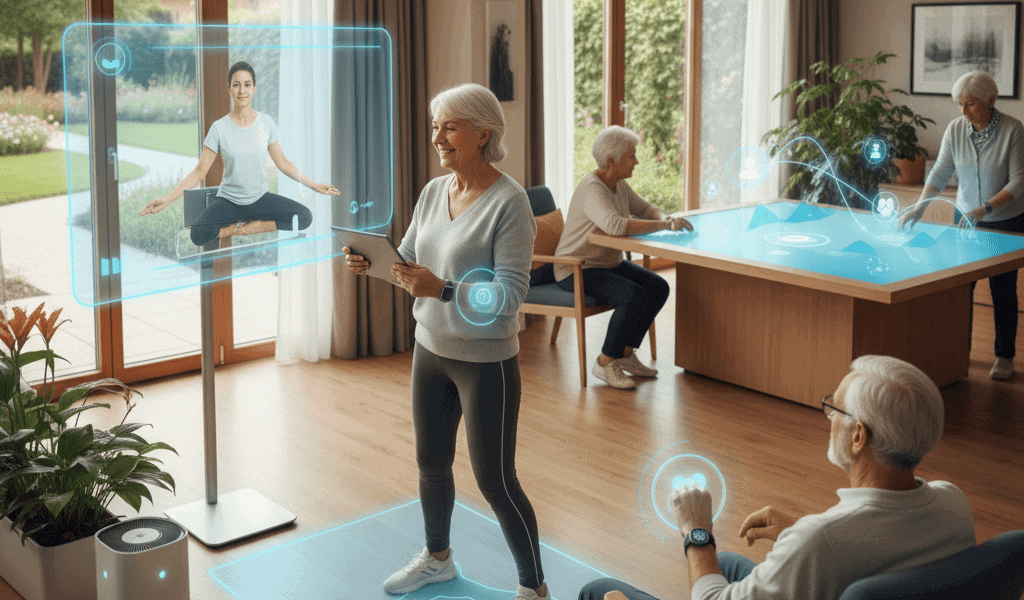

As populations age, practical technology plays a central role in supporting older adults to live with greater independence and comfort. Thoughtful tools can help families, caregivers, and providers monitor health, reduce risks at home, and keep social ties strong while respecting personal preferences.
When choosing solutions it helps to focus on usability, data integrity, and real benefits rather than buzzphrases. For a useful starting point on practical options and what matters when evaluating devices and platforms see this guide on senior wellness technology which highlights features to prioritize for meaningful results.
Why technology for older adults delivers real value
Technology for older adults reduces gaps in care that can lead to avoidable hospital stays and stress. Multiple studies show that remote monitoring and timely alerts help spot changes in condition earlier which can cut emergency visits in some cases. Devices that record trends provide a clearer picture than a single clinic reading.
Beyond clinical measures there are quality of life gains. When an older person can manage medications with gentle reminders or reach a helper quickly after a fall, routines remain stable and family worry falls. The best solutions combine useful data with simple user experiences so that the person at home actually uses them every day.
Core features to prioritize when assessing wellness devices
Not all products labeled for seniors deliver the same level of benefit. Look for features that support everyday use and long term value.
- Intuitive interfaces A clear display and minimal steps reduce confusion. Voice prompts and large text help people with vision or dexterity limits.
- Reliable alerts Alerts should go to a trusted contact or provider and include context so the recipient knows if the situation is urgent.
- Battery life and maintenance Devices that need frequent charging or complex upkeep are less likely to be used consistently.
- Interoperability The ability to share data with electronic health records or family apps prevents siloed information and keeps everyone informed.
- Data clarity Look for solutions that present trends and simple explanations rather than raw charts that can confuse non clinical users.
Simplicity over feature overload
More features can mean more settings to manage. Prioritize the few functions that will be used daily. A wearable with dependable fall detection and activity tracking can be more valuable than a wristband packed with rarely used bells and whistles.
Reliability and ongoing support
Check warranty terms, customer service hours, and whether local technicians are available. A device that stops working because the manufacturer provides no follow up creates risk rather than solving it.
Home safety and monitoring solutions that make sense
Home based options cover a wide range of needs from environmental sensing to presence detection. When placed thoughtfully these systems reduce common hazards and provide useful insights about daily routines.
- Environmental sensors Smoke, carbon monoxide, temperature, and water leak detectors can be integrated so caregivers receive timely warnings.
- Door and motion sensors These provide non intrusive monitoring of activity patterns which helps identify changes that may signal a health concern.
- Fall detection Wearables and room based systems use different signals to detect falls. Compare false positive rates and how alerts are routed.
- Medication dispensers Timed dispensers with lockable compartments reduce missed doses and accidental double dosing.
Example approach: start with a reliable emergency call option, add fall detection if mobility is limited, and include a small set of environmental sensors to address specific household risks. Expanding later gives time to measure benefit and acceptance.
Health tracking and chronic condition support
Monitoring devices can help manage conditions like hypertension, diabetes, and heart disease by collecting frequent readings that reveal trends. Remote measurement encourages proactive adjustments to care plans.
Vital sign monitoring
Devices that record blood pressure, heart rate, and weight at home send valuable context to clinicians. Look for validated devices that follow medical standards and can transmit data securely.
Medication management and telehealth
Medication reminders reduce missed doses while connected dispensers can alert caregivers about patterns that need attention. Telehealth platforms that integrate home data allow clinicians to make informed adjustments without requiring in person visits.
Privacy, security, and data use considerations
With device adoption comes responsibility to protect personal information. Ask vendors about encryption, data retention policies, and who can access the data. Prefer vendors who are transparent and who provide user controls to limit data sharing.
- Consent and control The older adult should remain central to decisions about what data is shared and with whom.
- Regulatory compliance Check whether solutions meet applicable health data regulations in your jurisdiction.
- Vendor stability Choose companies with a track record of supporting their products for several years to avoid losing access to crucial services.
Social connection tools that reduce isolation
Engagement tools help maintain relationships which are critical for mental and emotional wellbeing. Video calls with simplified interfaces, photo sharing frames that update automatically, and community platforms tailored to older users all help reduce isolation.
Design matters. A tablet with large icons, one touch calling, and a curated contact list encourages regular use. Group activities delivered via a platform such as virtual exercise classes or memory games add structure and shared experience.
Practical tips for selecting solutions in real settings
Choosing technology is more than picking features. Consider testing, training, and real life integration so the product becomes part of a daily routine.
- Trial before committing Use trial periods to see how a person interacts with a device over several weeks.
- Involve the person who will use it Their preferences about appearance, alerts, and privacy will determine long term success.
- Training for caregivers Small group sessions and simple step by step guides help family members and staff respond correctly to alerts and interpret data.
- Budget planning Evaluate total cost including subscription fees and possible setup charges. A low priced device may have recurring fees that add up.
- Maintenance schedule Create a calendar for updates, battery replacement, and cleaning so devices remain reliable.
Implementing solutions across care settings
Rolling technology into a household or care facility benefits from a phased plan. Start with tools that reduce the most pressing risks and expand based on feedback.
Coordinate with primary care providers so the data collected complements clinical care. Prepare simple protocols for who responds to which alerts, how to escalate when needed, and how to document events for future reference.
Example rollout plan
- Phase 1 select emergency response and fall detection for immediate safety
- Phase 2 add health tracking devices and secure data sharing with clinicians
- Phase 3 introduce social engagement tools and monitor usage trends
Measuring outcomes is important. Track metrics such as number of missed medications, frequency of night wandering, emergency calls, and user satisfaction. Use short feedback cycles to adjust devices or settings so the system aligns with real needs.
Conclusion
Practical technology can support older adults in staying safer and more connected when choices focus on simplicity, reliability, and meaningful data. Rather than chasing every new gadget, evaluate how a solution will perform in day to day life and whether it complements clinical care. Include the person who will use the device in every decision and test options before committing. Pay attention to data privacy and total cost of ownership so there are no surprises down the road. If you are exploring options for a relative or a community program, start small with a trial of a few well selected tools and measure their impact. Good planning combined with steady adjustments leads to systems that support health and independence long term. Take the next step by researching products that fit the user profile and arranging a trial today so you can see what actually works in real life.


