
Falls cause tons of injuries for adults and seniors every year. Most of these accidents sneak up inside the home, where hidden dangers or forgotten safety problems lurk. I once spotted a loose rug edge that could’ve caused a nasty slip, and fixing it made a big difference. A quick home check and small fixes, like better lighting or grab bars, can slash fall risks big time. Did you know that about 1 in 4 older adults fall each year, leading to serious injuries? This is gold info for anyone wanting a safer home—keep reading to find out how simple changes could save you from a painful fall.
Implementing regular safety assessments in your home doesn’t require expert training or expensive equipment. It’s about paying attention to everyday details and making small changes that can make a big difference. Whether you’re caring for aging parents, living with elderly relatives, or just trying to maintain a secure space for your family, these easy tips will help you recognize and eliminate potential dangers before they cause harm.
Understanding Why Falls Happen in the Home
Falls can occur for various reasons, including environmental hazards, health issues, or a combination of both. Understanding common causes can help target your home checks more effectively.
Common hazards that contribute to falls include:
- Cluttered pathways or loose rugs
- Uneven flooring or loose tiles
- Poor lighting in hallways and stairs
- Electronics and cords blocking walkways
- Bathroom surfaces that are slippery or wet
By recognizing these hazards, you can prioritize your home checks to address the most critical risk areas first.
Conducting Home Safety Checks to Prevent Falls
Performing regular safety inspections is the best way to identify hazards early. Here are key areas to focus on:
Living Room and Common Areas
- Remove loose rugs or secure them with non-slip pads to prevent tripping.
- Arrange furniture to leave clear pathways and avoid obstructing doorways or exits.
- Use furniture with stable arms to help with standing and sitting.
Kitchen and Bathroom Safety
- Place non-slip mats or strips in showers and tubs.
- Install grab bars near toilets and in showers for additional support.
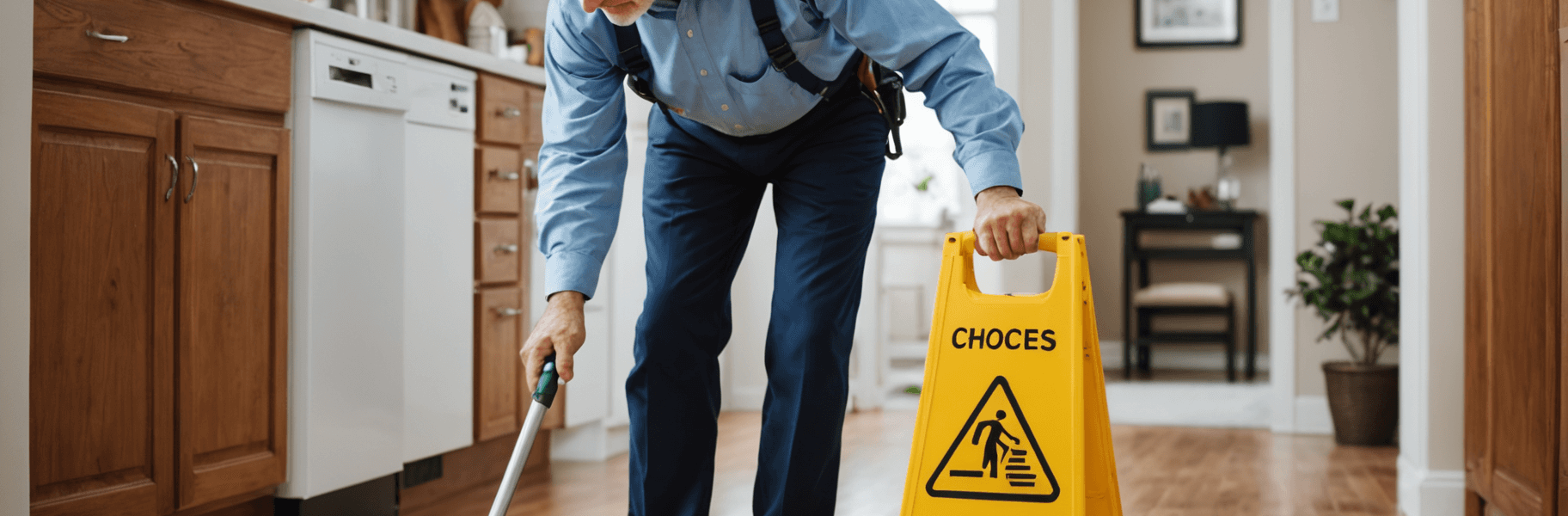
- Keep the floor dry and promptly clean up spills to prevent slips.
Ensuring Proper Lighting Throughout the Home
Inadequate lighting can make it difficult to see hazards, especially at night. Bright, focused lighting helps improve visibility and reduces fall risk.
- Use nightlights in hallways, bathrooms, and bedrooms.
- Replace dim bulbs with brighter, energy-efficient options.
- Attach motion sensors in frequently used areas for automatic illumination.
Good lighting is a simple yet effective way to prevent missteps and ensure safe navigation around your home.
Improving Flooring and Stairway Safety
Flooring Tips
- Choose slip-resistant flooring materials, especially in high-moisture areas.
- Secure loose carpeting or area rugs with non-slip backing or tape.
- Arrange furniture to allow for wide walking paths free from obstructions.
Staircase Precautions
- Install sturdy handrails on both sides of stairways.
- Ensure stairs are well-lit and free of clutter.
- Use contrasting colors or strips on stair edges to enhance visibility.
Addressing Personal Factors Contributing to Falls
While home environment adjustments are vital, health-related issues also play a role in fall risk. Maintaining health and mobility can make a difference.
- Encourage regular check-ups with healthcare providers to monitor medication side effects or physical health issues.
- Promote balance and strength exercises to improve stability.
- Rehab programs or physical therapy can help regain mobility and confidence.
Recognizing personal risk factors alongside environmental hazards creates a comprehensive approach to fall prevention.
Creating a Fall-Proof Environment for Vulnerable Individuals
If you care for seniors or individuals with limited mobility, additional measures are necessary. Use safety devices and modifications tailored to their specific needs.
- Install stair lifts or ramps where appropriate.
- Use raised toilet seats and shower chairs for ease of use.
- Ensure emergency contact devices, such as alert systems, are accessible.
Taking these extra precautions can provide peace of mind and significantly decrease the likelihood of falls and related injuries.
Taking Action: Regular Home Assessments and Ongoing Maintenance
Prevention isn’t a one-time effort. Regularly revisit your home checks and update safety measures as needed. Changes like new furniture, renovations, or health shifts can introduce new risks.
To strengthen your efforts, consider consulting a professional for a formal assessment. For a detailed evaluation focused on senior health, view post provides valuable guidance on conducting thorough fall risk assessments tailored for older adults.
Keeping safety at the forefront requires diligence, but the benefits—reduced injuries, greater confidence, and peace of mind—are well worth the effort. Small adjustments today can prevent major injuries tomorrow and help maintain independence for years to come.
Final Thoughts: Make Your Home Safer Today
Every home has potential hazards that can cause falls, but with a proactive approach, these risks can be reduced significantly. Regular safety checks, proper lighting, secure flooring, and attention to personal health are key components of fall prevention. It’s about creating an environment where everyone can move around confidently and safely.
Investing time into these simple home checks adds up to substantial safety enhancements, allowing you and your loved ones to live independently with fewer worries. Remember, falls are preventable—taking action now not only safeguards physical health but also sustains quality of life. Start today with a walk around your home, identify potential dangers, and implement the necessary changes. Your efforts today will help ensure a safer, more secure home environment for tomorrow.